Plant Directory
Browse our complete catalog of houseplants. Filter by safety level, category, or care difficulty.
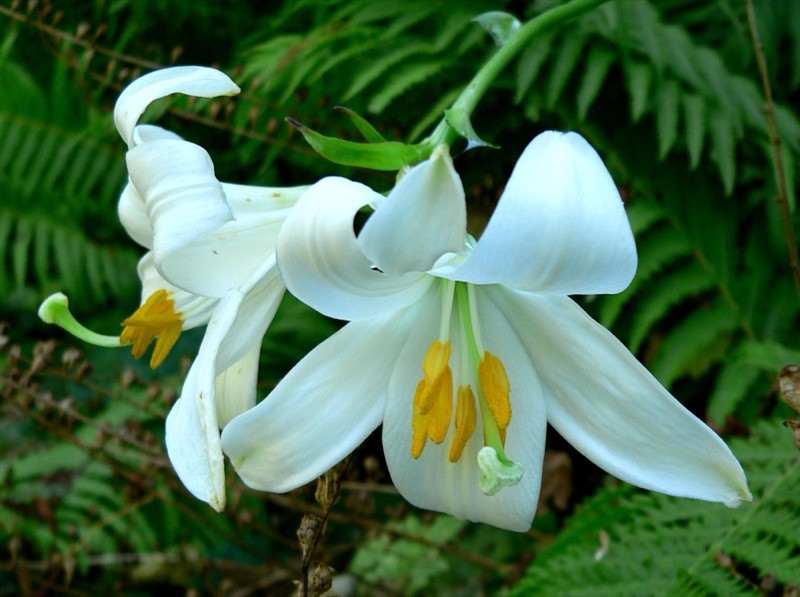
Easter Lily
SEVERE — Avoidlilium longiflorum
EXTREMELY DANGEROUS TO CATS. All parts of true lilies (Lilium and Hemerocallis species) are highly toxic. Even small amounts of pollen groomed from fur or water from the vase can cause fatal kidney failure. Keep far away from cats.
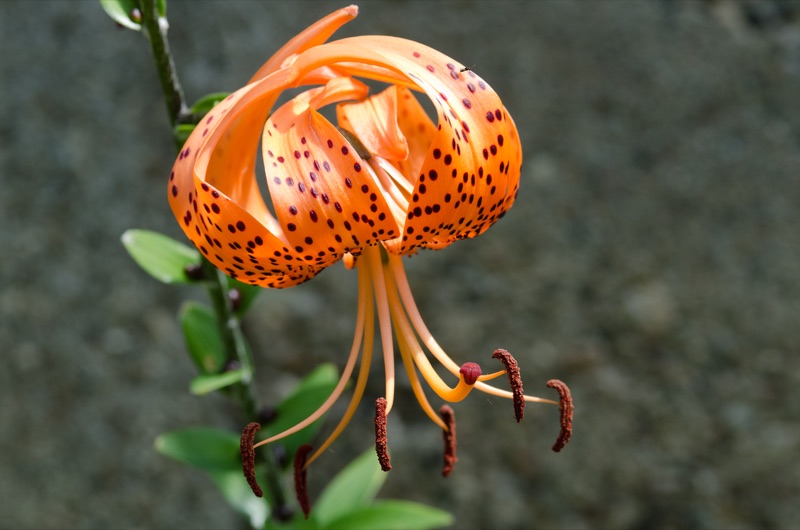
Tiger Lily
SEVERE — Avoidlilium tigrinum
All parts of tiger lilies are severely toxic to cats. Like all true lilies, even pollen exposure can cause acute kidney failure. Never bring these into a home with cats.
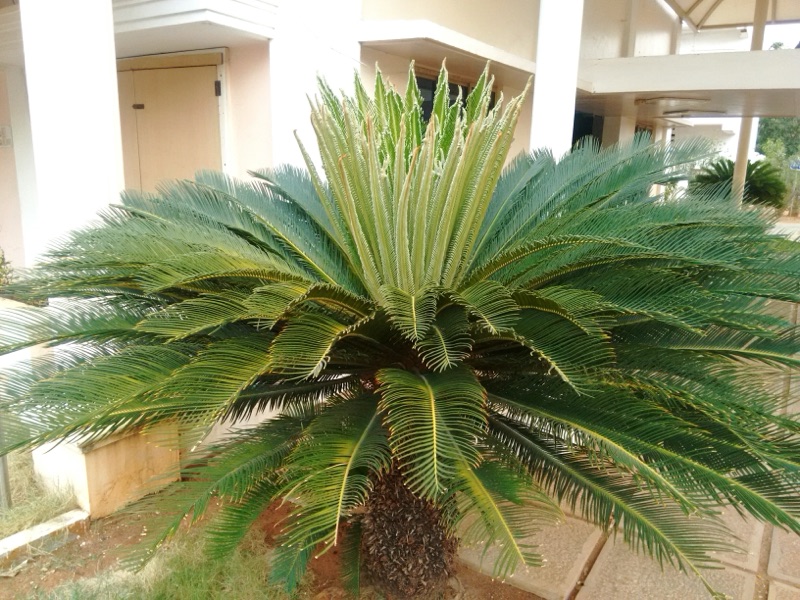
Sago Palm
SEVERE — Avoidcycas revoluta
ONE OF THE MOST TOXIC PLANTS TO CATS. All parts are poisonous, especially the seeds. Contains cycasin which causes severe liver failure. Even small ingestions have a high mortality rate.
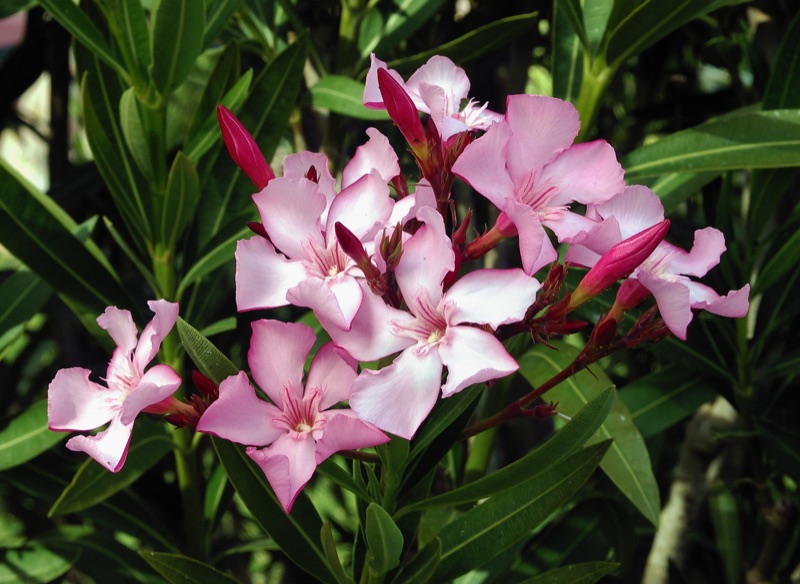
Oleander
SEVERE — Avoidnerium oleander
All parts of this plant are extremely toxic to cats, humans, and most animals. Contains cardiac glycosides that affect the heart. Even smoke from burning oleander is dangerous.
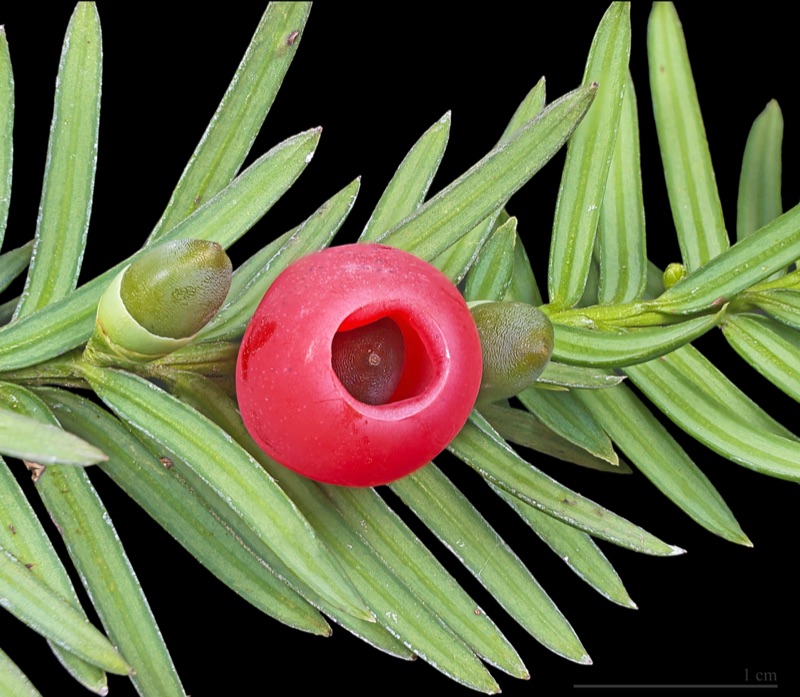
Yew
SEVERE — Avoidtaxus spp.
All parts except the fleshy fruit are extremely toxic. Contains taxine alkaloids that cause sudden cardiac failure. Very dangerous to cats — even small amounts can be fatal.
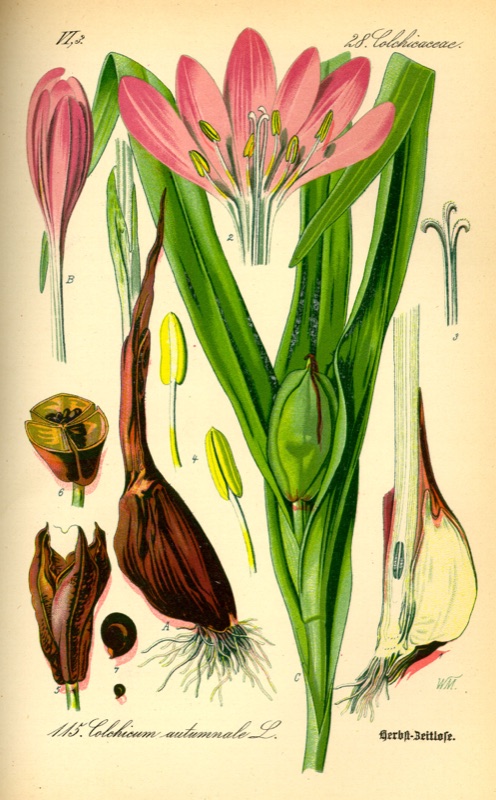
Autumn Crocus
SEVERE — Avoidcolchicum autumnale
Contains colchicine, which is extremely toxic. All parts of the plant are dangerous. Can cause multi-organ failure in cats. Seek emergency vet care immediately if ingested.
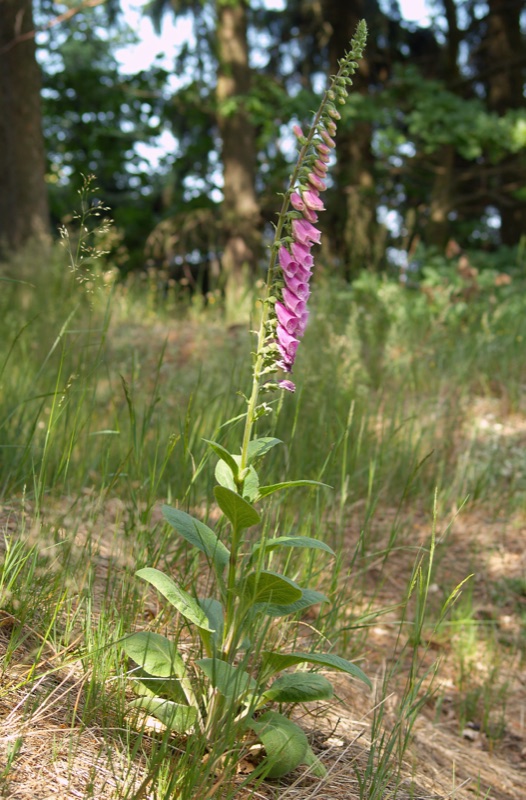
Foxglove
SEVERE — Avoiddigitalis purpurea
Contains digitalis glycosides used in heart medication. All parts are extremely toxic to cats. Even water from a vase containing foxglove can be dangerous.
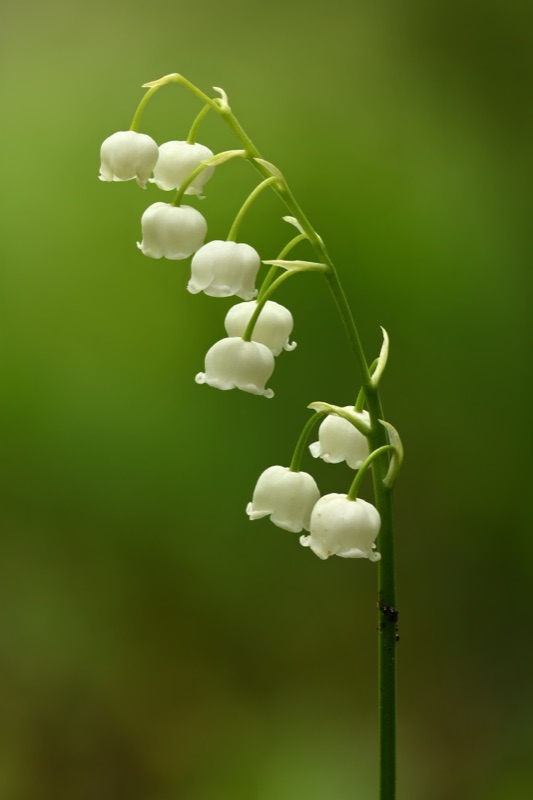
Lily Of The Valley
SEVERE — Avoidconvallaria majalis
All parts are highly toxic. Contains cardiac glycosides similar to digitalis. Can cause severe heart problems and death in cats. Even the water from the vase is toxic.
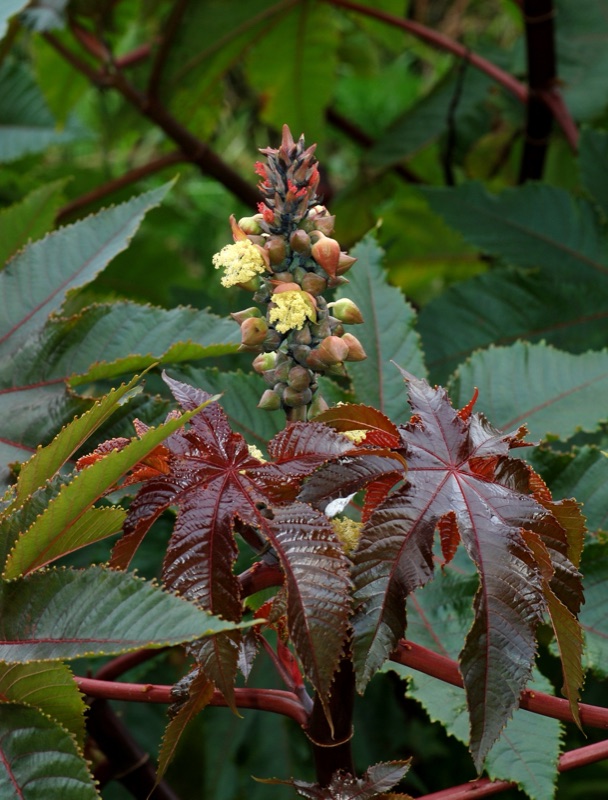
Castor Bean
SEVERE — Avoidricinus communis
Seeds contain ricin, one of the most toxic natural substances known. Extremely dangerous to cats — even a single chewed seed can be fatal. Do not grow in homes with pets.
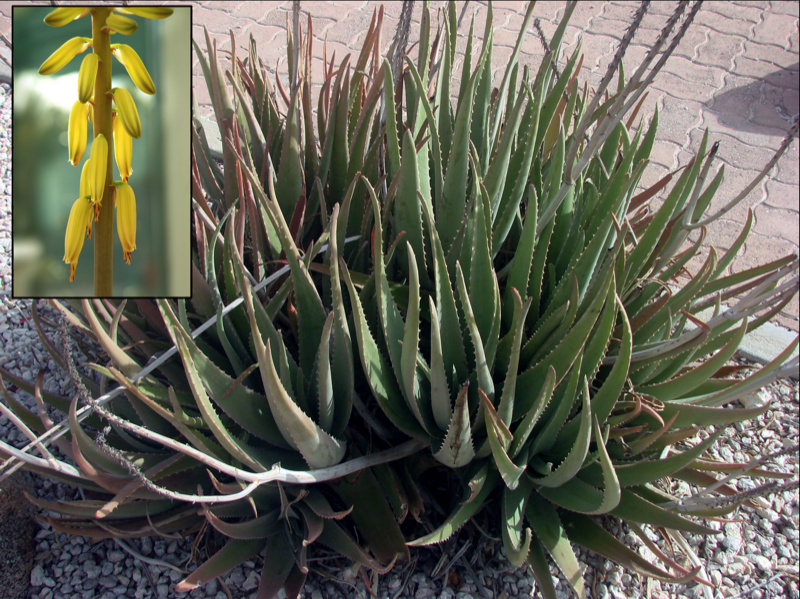
Aloe Vera
Toxicaloe barbadensis
While great for human skin, aloe vera contains saponins and anthraquinones that are toxic to cats. Can cause vomiting, diarrhea, and lethargy.
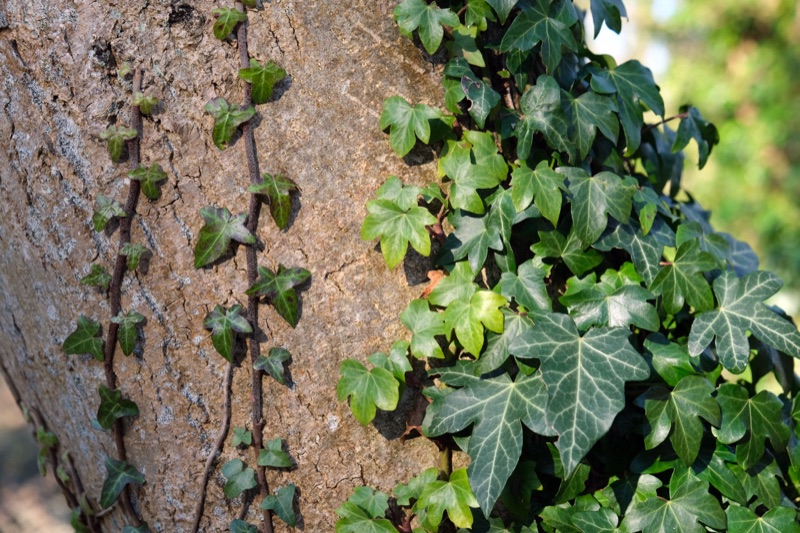
English Ivy
Toxichedera helix
Common climbing vine that contains triterpenoid saponins. Toxic to cats if ingested, causing gastrointestinal and respiratory issues.
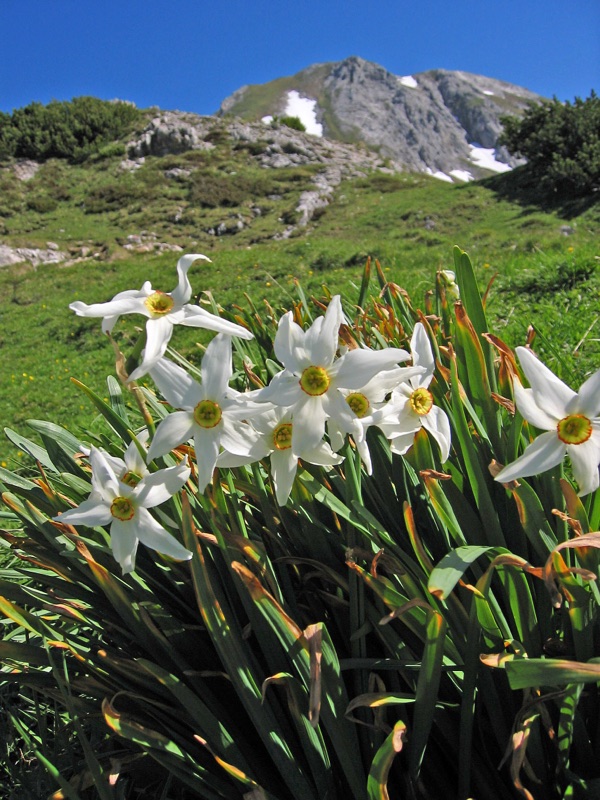
Daffodil
Toxicnarcissus pseudonarcissus
Beautiful spring bulbs, but all parts contain lycorine. The bulbs are the most toxic part. Can cause significant gastrointestinal distress in cats.
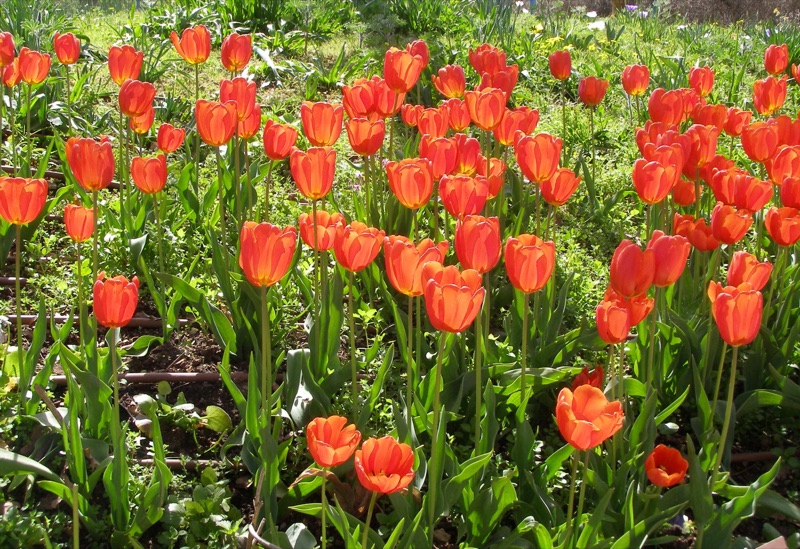
Tulip
Toxictulipa gesneriana
Popular spring flowers containing tulipalin A and B. The bulb is the most toxic part. Can cause gastrointestinal irritation and more severe symptoms in cats.
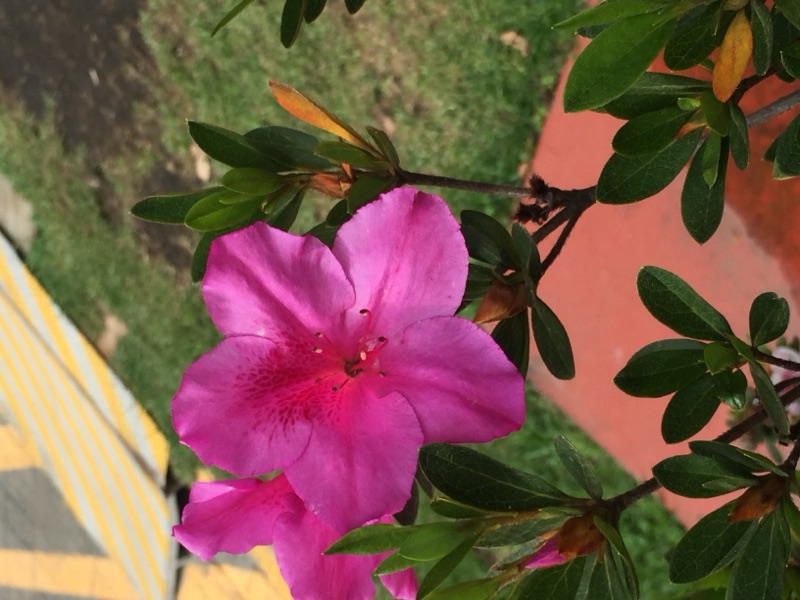
Azalea
Toxicrhododendron spp.
Contains grayanotoxins which affect sodium channels. All parts are toxic to cats. Ingestion of even a few leaves can cause serious symptoms.
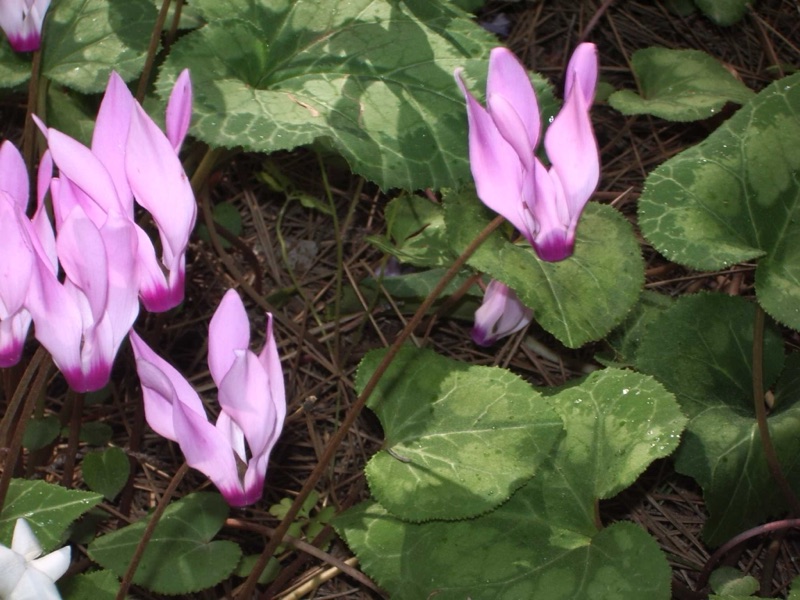
Cyclamen
Toxiccyclamen spp.
Popular flowering houseplant containing saponins. The tubers (roots) are the most toxic part. Can cause significant gastrointestinal and cardiac issues in cats.
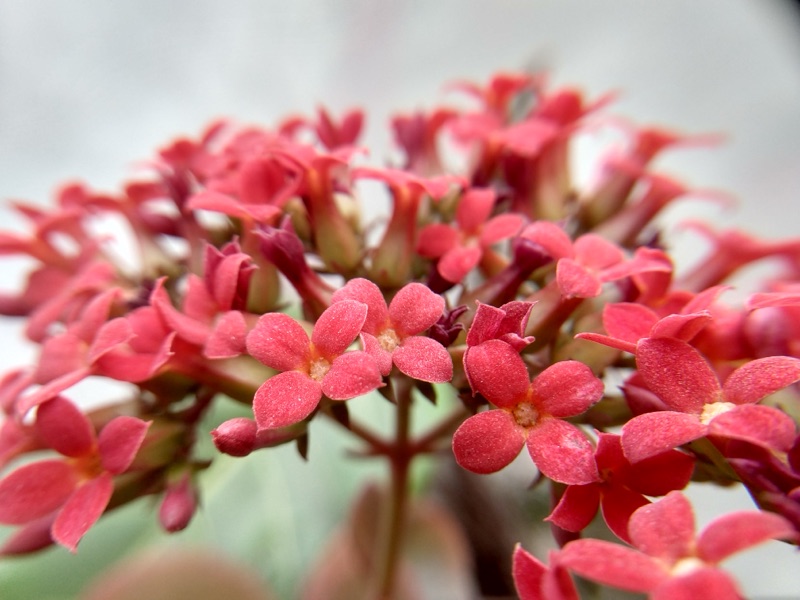
Kalanchoe
Toxickalanchoe blossfeldiana
A popular flowering succulent containing bufadienolides. Toxic to cats and can affect the heart and gastrointestinal system. Keep away from curious felines.
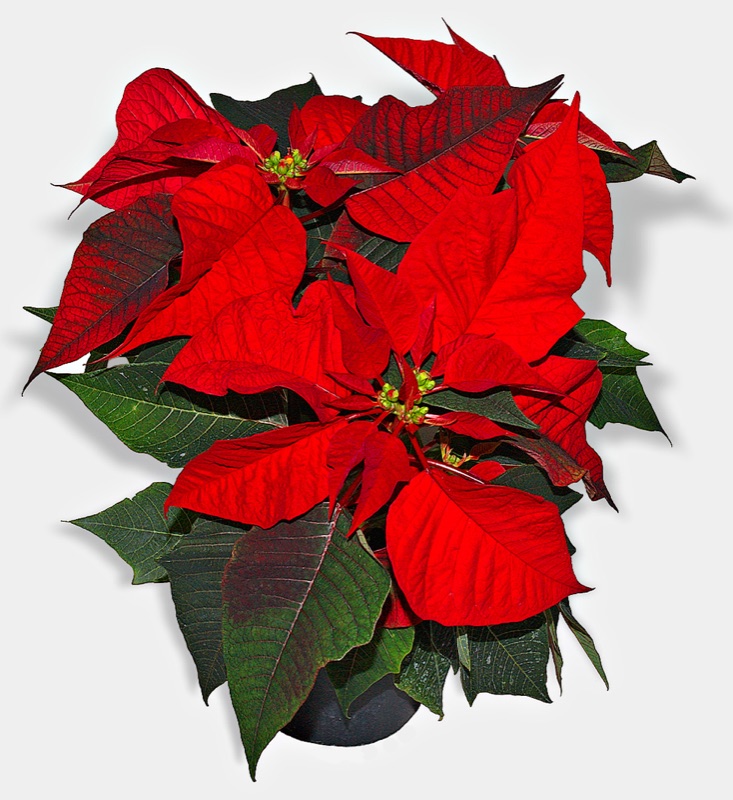
Poinsettia
Toxiceuphorbia pulcherrima
Often overhyped in toxicity but still a concern. The milky sap contains diterpenoid esters that irritate the mouth and stomach. Usually causes mild symptoms in cats.
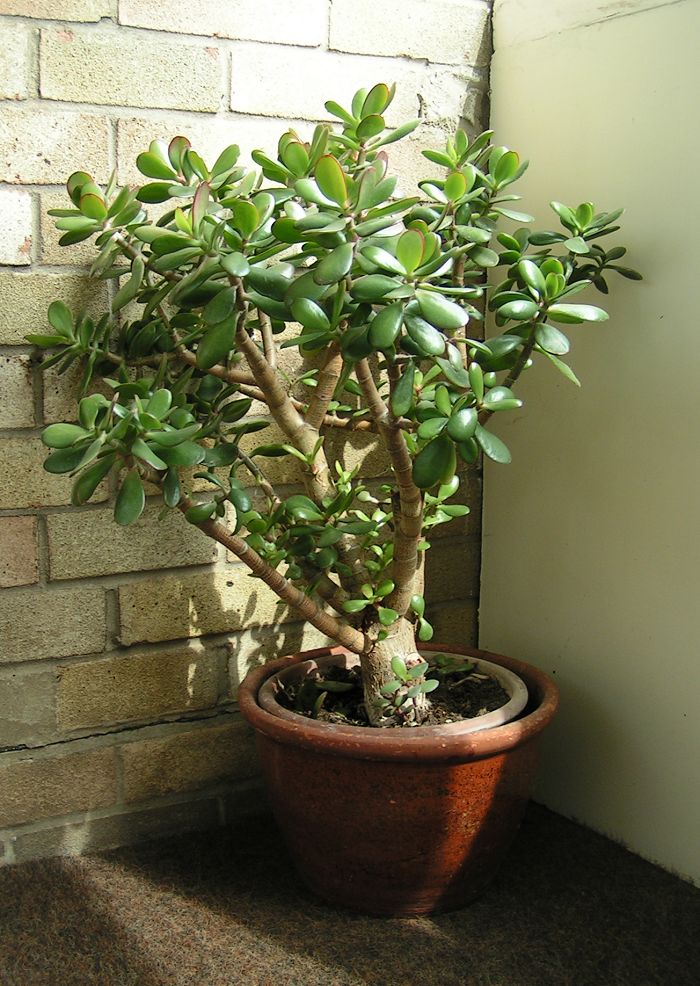
Jade Plant
Toxiccrassula ovata
A popular succulent that is toxic to cats. Contains unknown toxins that can cause gastrointestinal issues and, in rare cases, depression and incoordination.

Dracaena
Toxicdracaena marginata
Popular corn plant and dragon tree varieties contain saponins. Toxic to cats and can cause vomiting with blood, drooling, and dilated pupils.
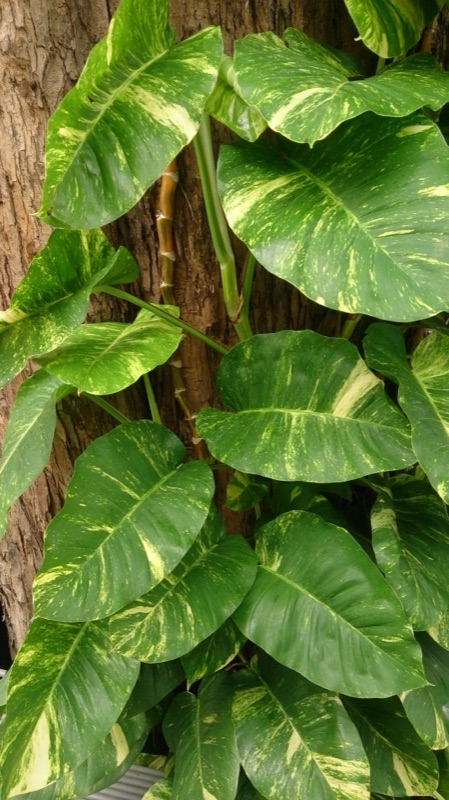
Pothos
Moderate Riskepipremnum aureum
Extremely popular trailing plant, but contains insoluble calcium oxalates. If chewed by cats, it can cause oral irritation, drooling, and vomiting. Keep out of reach.
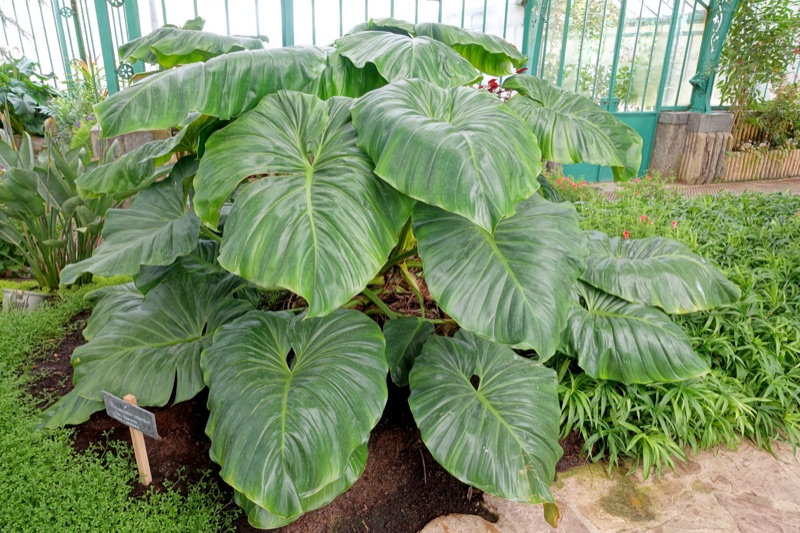
Philodendron
Moderate Riskphilodendron spp.
Popular for their lush foliage, but all parts contain calcium oxalate crystals. Can cause significant oral pain and swelling if a cat chews the leaves.
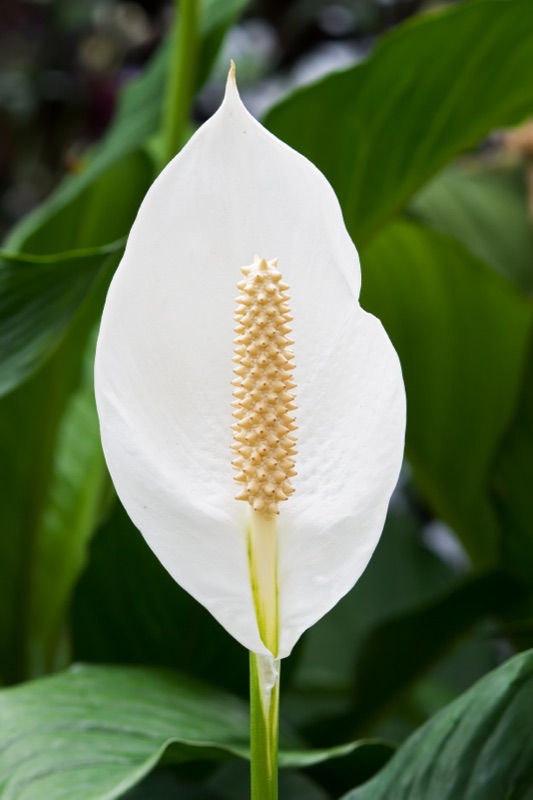
Peace Lily
Moderate Riskspathiphyllum spp.
Known for air-purifying qualities and white spathe flowers. Contains calcium oxalates that can cause oral irritation and digestive upset in cats.
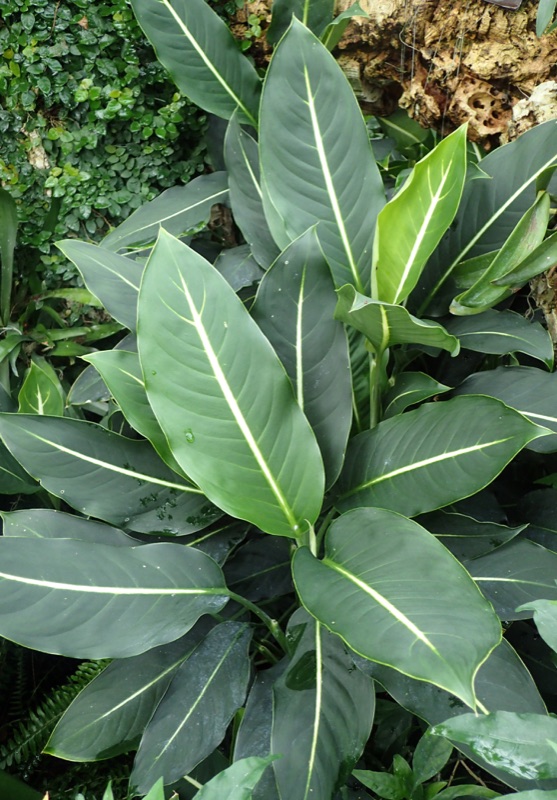
Dieffenbachia
Moderate Riskdieffenbachia seguine
Also called Dumb Cane because the oxalate crystals can temporarily prevent speech if chewed. Toxic to cats — causes severe oral irritation and swelling.
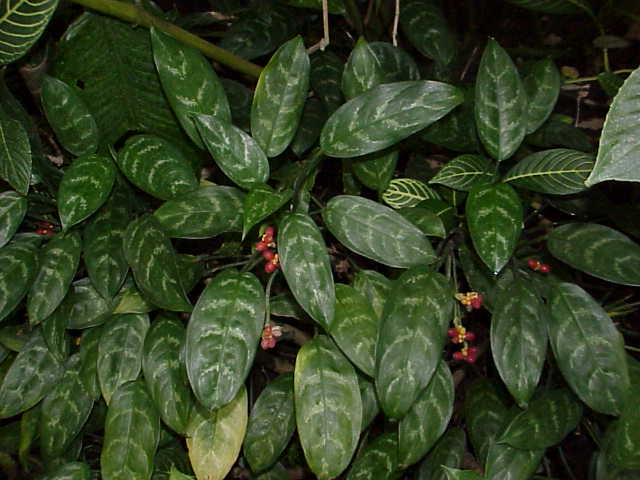
Chinese Evergreen
Moderate Riskaglaonema commutatum
A tough, low-light plant with patterned leaves. Contains calcium oxalates that cause oral and gastrointestinal irritation in cats.
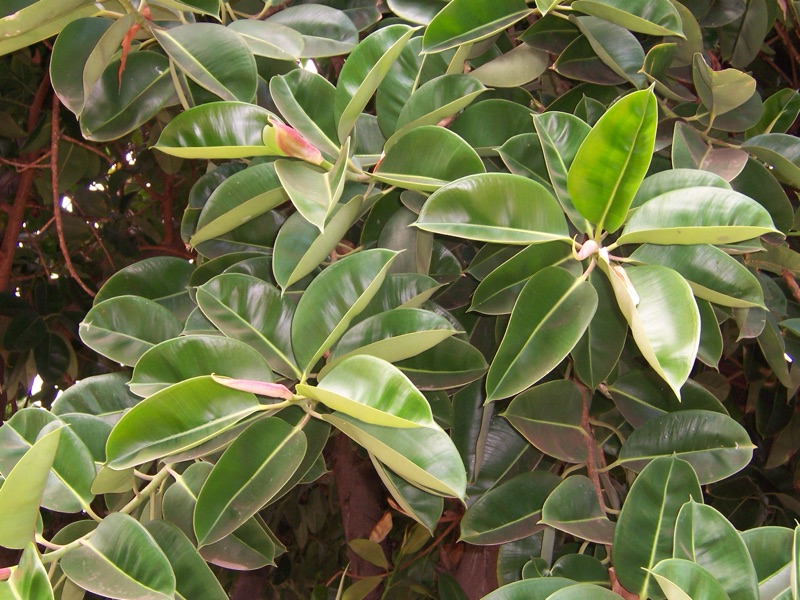
Rubber Plant
Moderate Riskficus elastica
A popular statement plant with glossy leaves. The sap contains ficin and can cause mild to moderate gastrointestinal upset in cats if chewed.
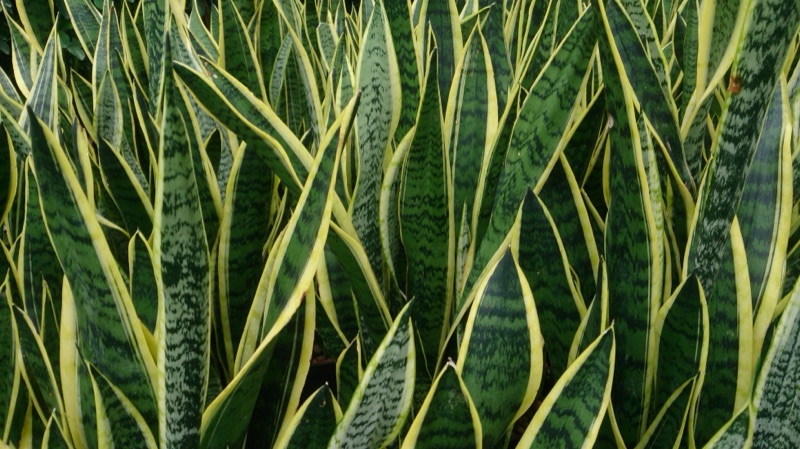
Snake Plant
Moderate Riskdracaena trifasciata
Nearly indestructible architectural plant. Contains saponins that can cause nausea and gastrointestinal upset in cats. Usually not life-threatening but unpleasant.
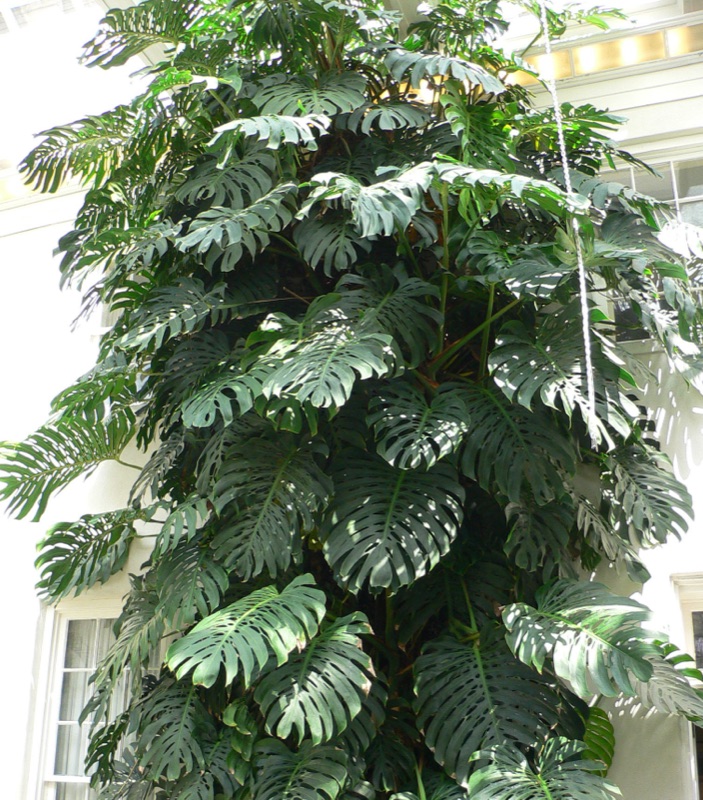
Monstera
Moderate Riskmonstera deliciosa
The popular Swiss Cheese Plant contains calcium oxalate crystals. Chewing causes intense oral burning and swelling in cats. Keep this trending plant out of reach.
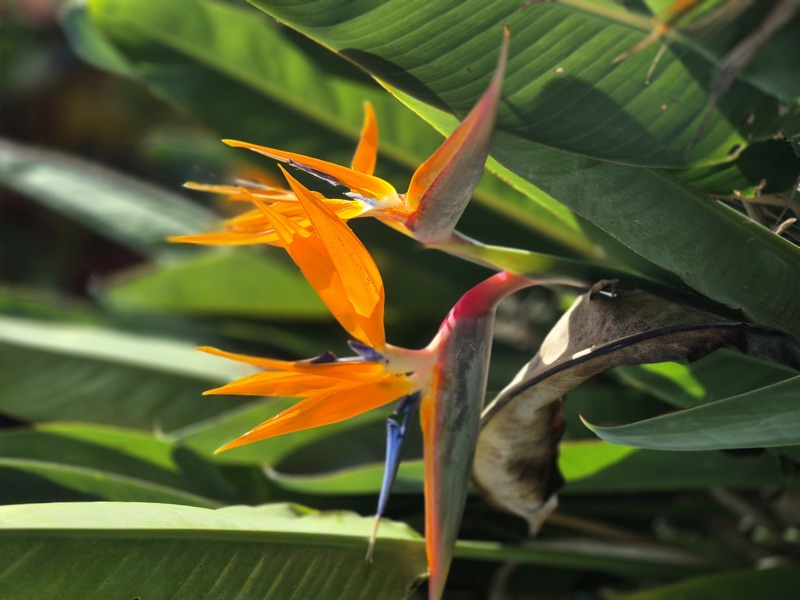
Bird Of Paradise
Moderate Riskstrelitzia reginae
Striking tropical flowers, but the seeds and pods contain tannins and hydrocyanic acid. Mild to moderate toxicity for cats — usually causes gastrointestinal distress.
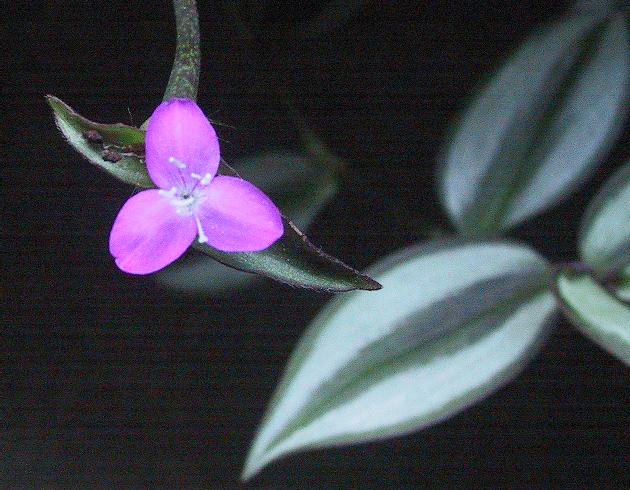
Wandering Jew
Moderate Risktradescantia zebrina
Can cause contact dermatitis in cats. While not usually fatal, the sap can irritate skin and cause gastrointestinal upset if ingested. Some cats develop allergic skin reactions.
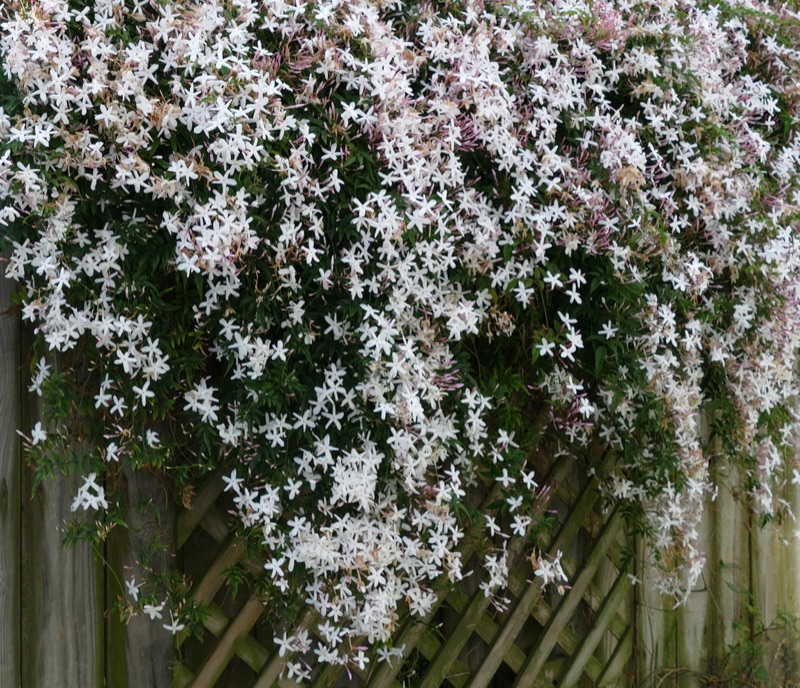
Jasmine
Moderate Riskjasminum spp.
True jasmine (Jasminum) can cause gastrointestinal issues in cats. Be especially careful with Carolina Jasmine (Gelsemium) which is much more toxic and sometimes confused with true jasmine.
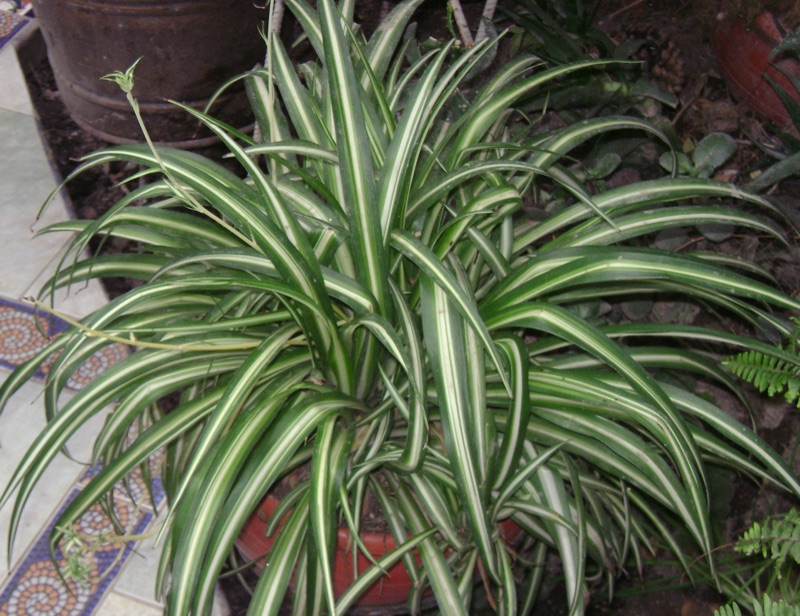
Spider Plant
Cat Safechlorophytum comosum
One of the most popular and forgiving cat-safe houseplants. Produces long arching leaves and small plantlets that dangle from the mother plant. Completely non-toxic to cats and dogs.
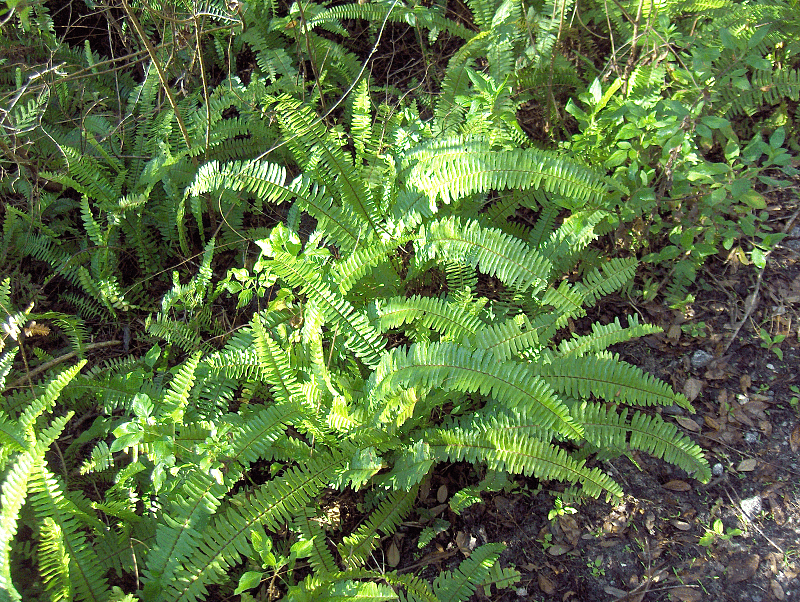
Boston Fern
Cat Safenephrolepis exaltata
Lush, feathery fern that thrives in humid environments. Safe for cats and one of the best air-purifying plants according to NASA. Loves bathroom humidity.
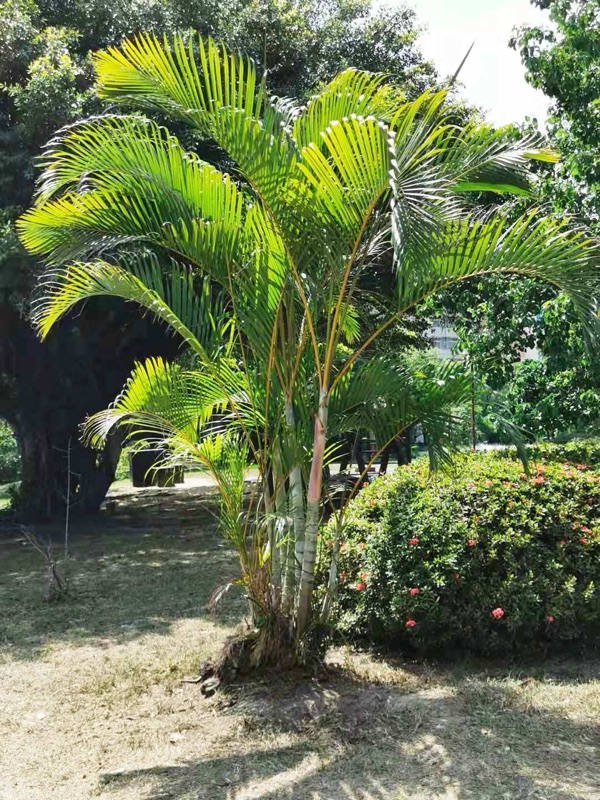
Areca Palm
Cat Safedypsis lutescens
A graceful, air-purifying palm that is completely safe for cats. Adds a tropical feel to any room. Prefers bright, indirect light and consistent moisture.
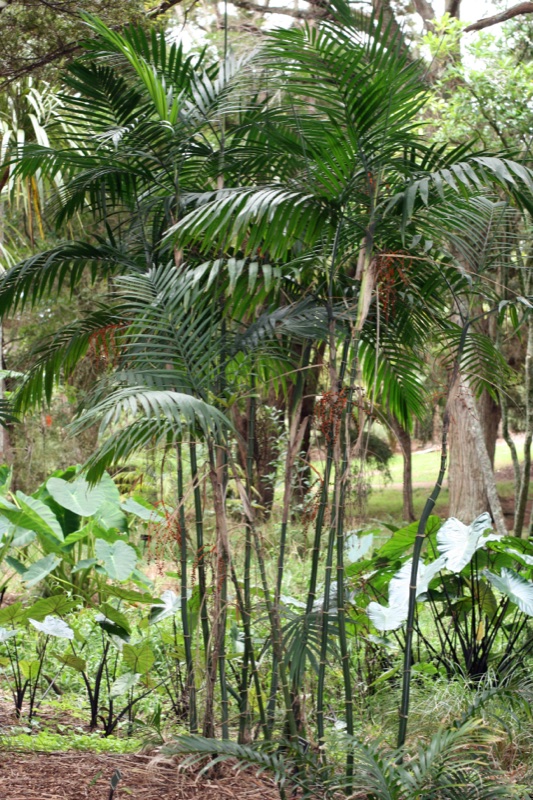
Parlor Palm
Cat Safechamaedorea elegans
A compact, slow-growing palm perfect for low-light spaces. Completely cat-safe and one of the easiest palms to grow indoors. Victorian-era houseplant favorite.
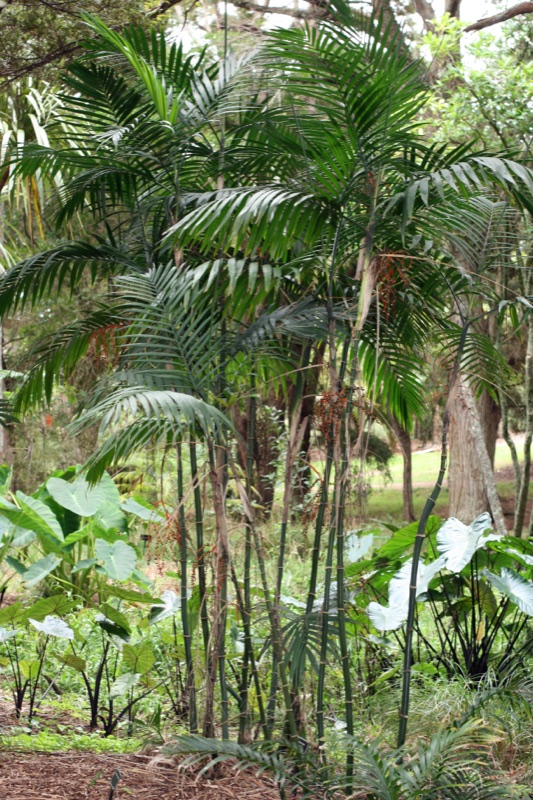
Bamboo Palm
Cat Safechamaedorea seifrizii
An excellent cat-safe palm that also purifies indoor air. Named for its bamboo-like stems. Grows well in medium to bright indirect light.
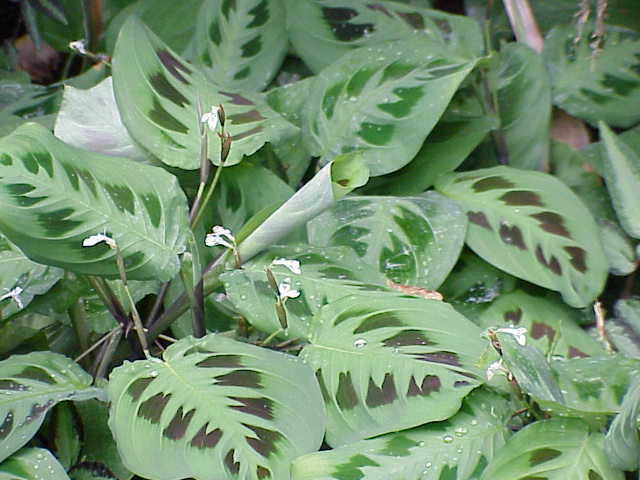
Prayer Plant
Cat Safemaranta leuconeura
Known for its stunning leaf patterns and nyctinastic movement — leaves fold up at night like praying hands. Completely non-toxic to cats. Loves humidity.
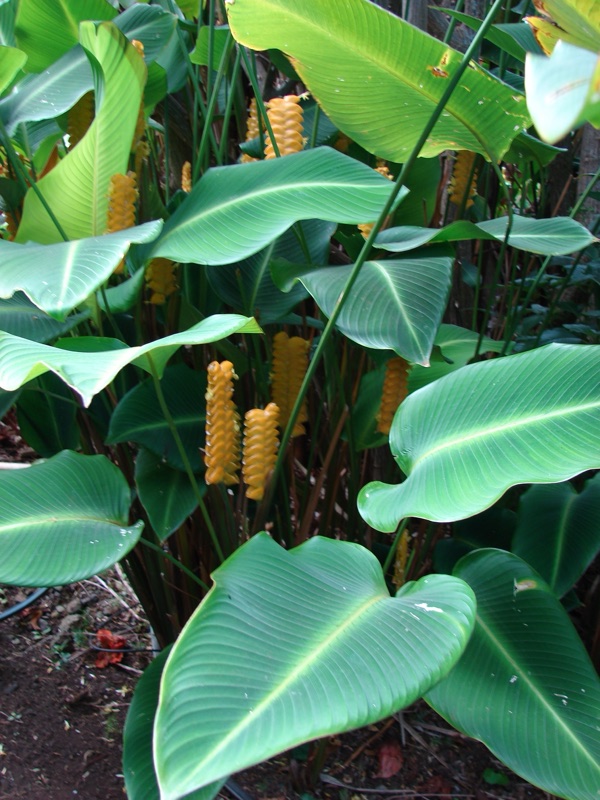
Calathea
Cat Safecalathea spp.
Prized for their incredible leaf patterns and colors. All Calathea species are safe for cats. They prefer filtered water, high humidity, and indirect light.
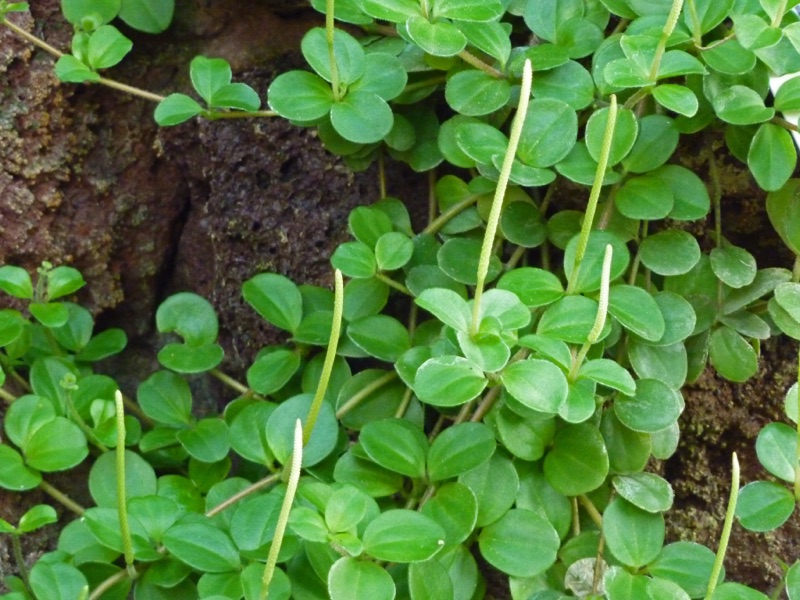
Peperomia
Cat Safepeperomia spp.
A diverse genus of compact, cat-safe plants with thick, often succulent-like leaves. Comes in many shapes and colors. Easy to grow and perfect for desks.
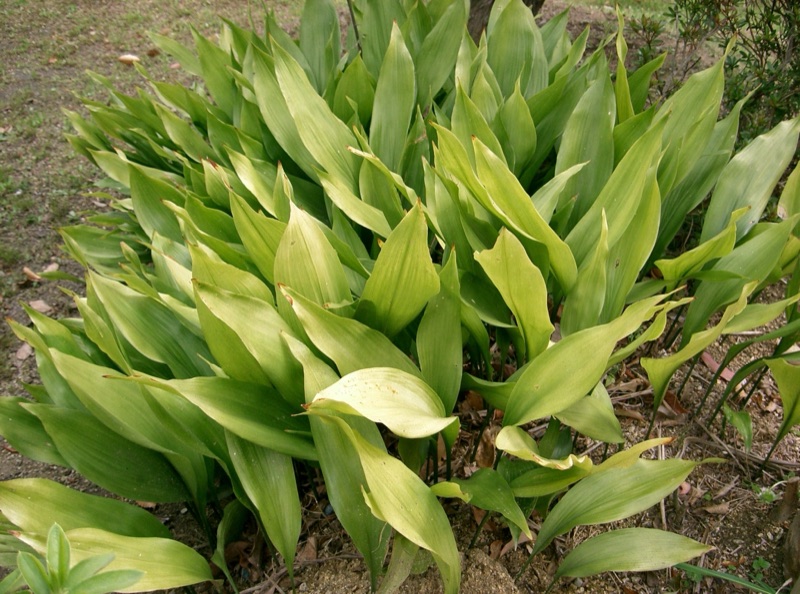
Cast Iron Plant
Cat Safeaspidistra elatior
Nearly indestructible houseplant that tolerates neglect, low light, and irregular watering. Completely safe for cats. Dark green, arching leaves.
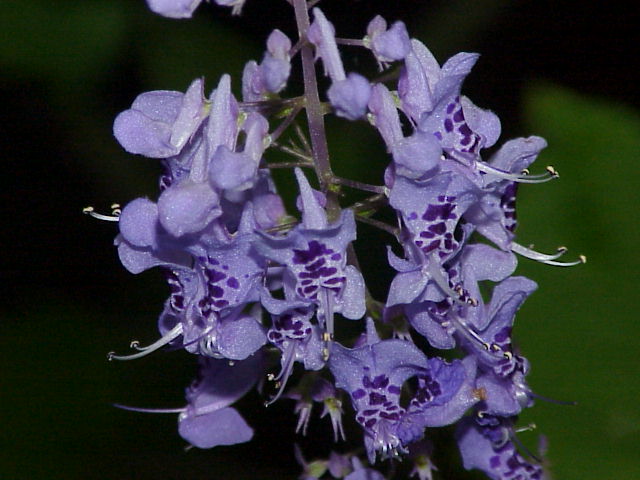
Swedish Ivy
Cat Safeplectranthus verticillatus
A fast-growing, trailing plant safe for cats. Great for hanging baskets. Produces small white or pale purple flowers. Very forgiving of beginner care.
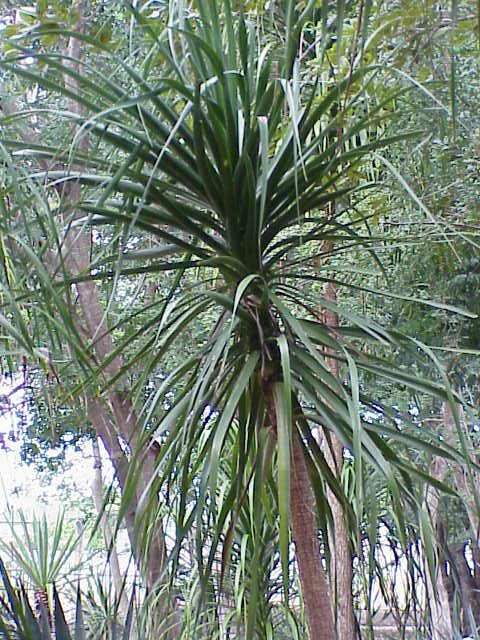
Ponytail Palm
Cat Safebeaucarnea recurvata
Not actually a palm but a succulent! Its swollen trunk stores water, making it drought-tolerant. Safe for cats and a striking architectural specimen.
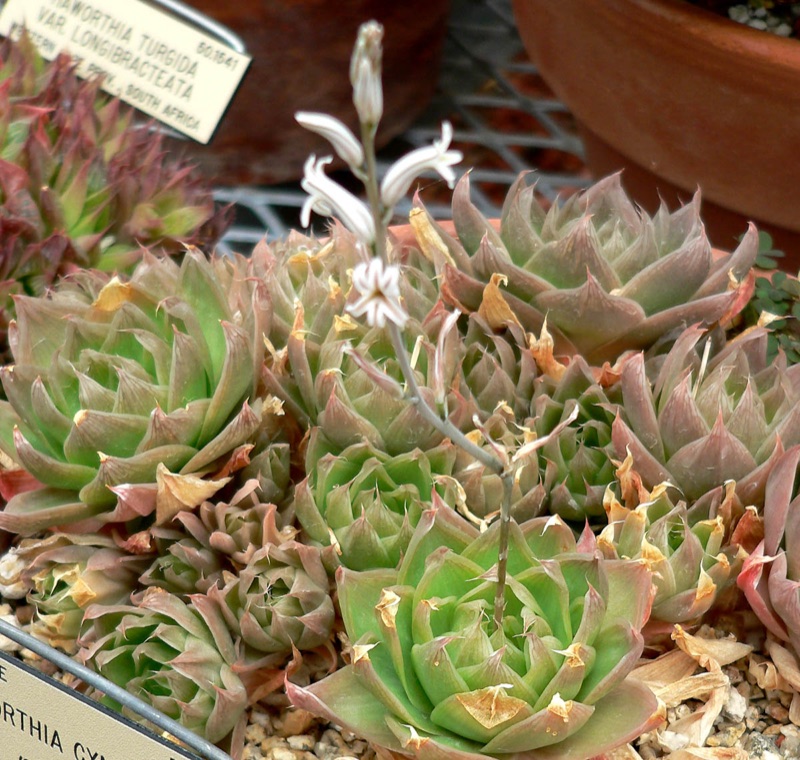
Haworthia
Cat Safehaworthia spp.
Small, rosette-forming succulents that are completely cat-safe. Often confused with Aloe (which IS toxic). Haworthia has white bumpy spots on leaves.
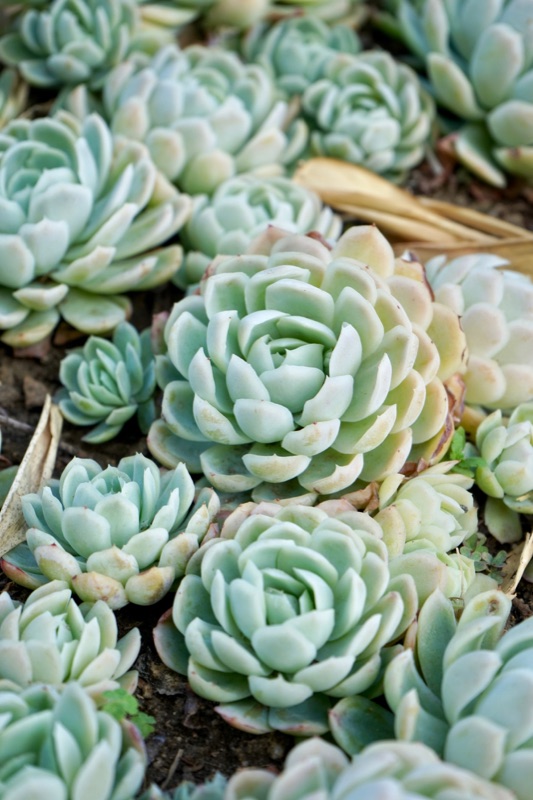
Echeveria
Cat Safeecheveria spp.
Beautiful rosette-forming succulents in shades of green, blue, pink, and purple. All Echeveria are safe for cats. Need bright light and well-draining soil.
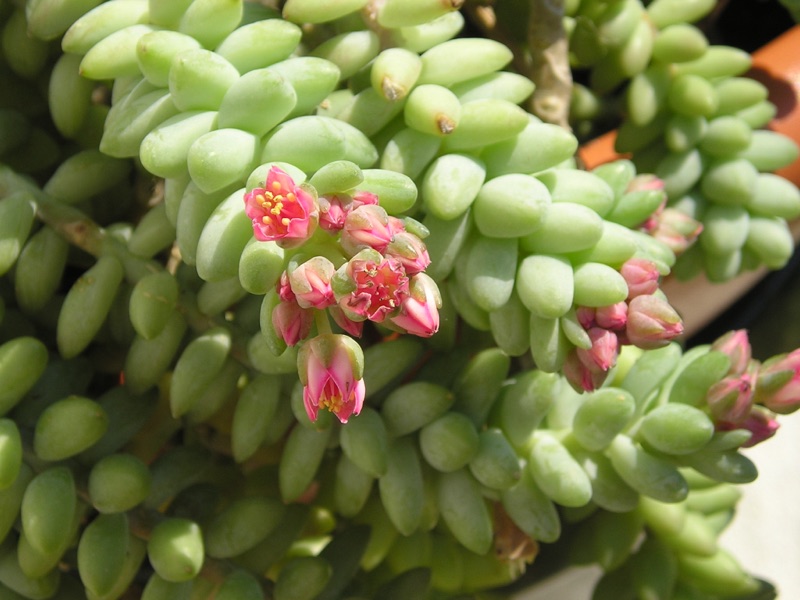
Burro's Tail
Cat Safesedum morganianum
A trailing succulent with plump, overlapping blue-green leaves. Non-toxic to cats. Perfect for hanging baskets where curious paws can't easily reach.
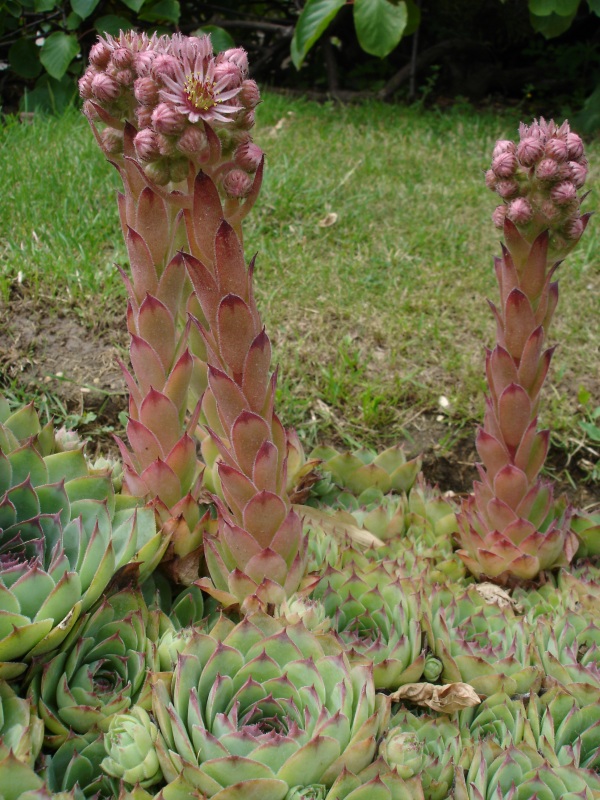
Hen And Chick
Cat Safesempervivum spp.
Hardy rosette succulents that produce offsets ('chicks') around the mother plant ('hen'). Completely safe for cats. Great for sunny windowsills.
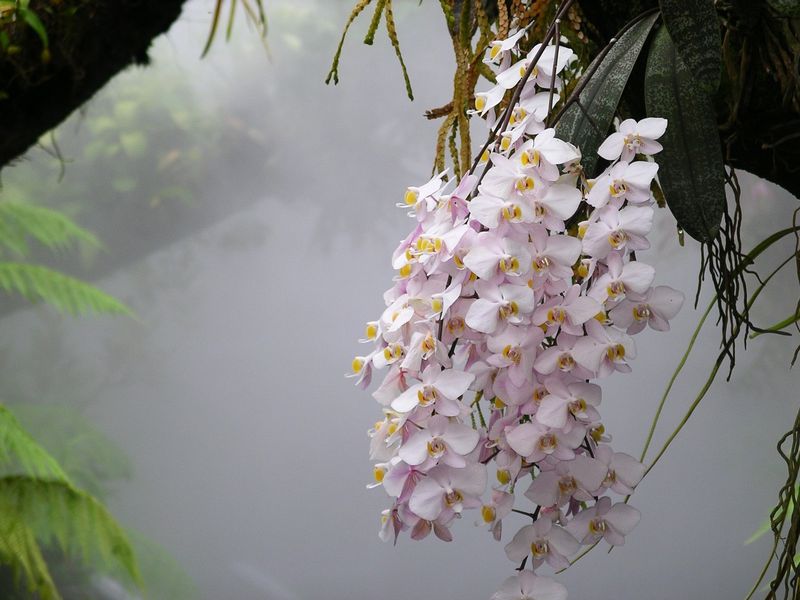
Phalaenopsis Orchid
Cat Safephalaenopsis spp.
Moth orchids are among the most popular flowering houseplants and are completely non-toxic to cats. Long-lasting blooms can persist for months.
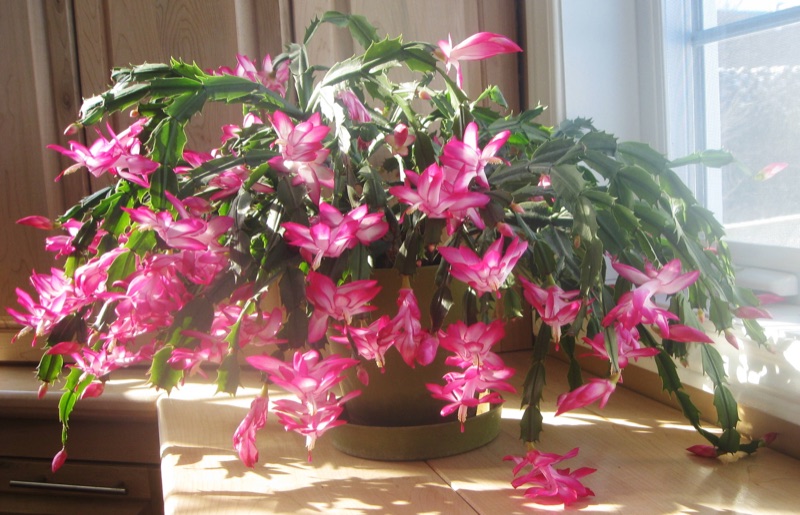
Christmas Cactus
Cat Safeschlumbergera bridgesii
A beloved holiday plant that is safe for cats. Produces beautiful tubular flowers in pink, red, white, or purple. Not a true desert cactus — prefers more humidity.
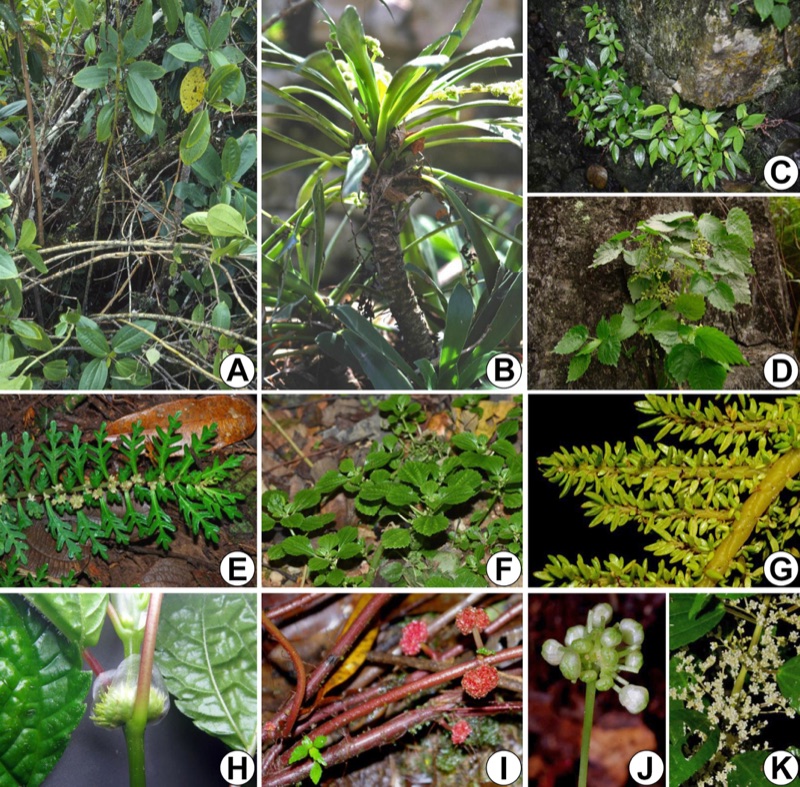
Friendship Plant
Cat Safepilea involucrata
Named for how easily it can be shared with friends from cuttings. Safe for cats with deeply textured, quilted leaves in bronze and green tones.
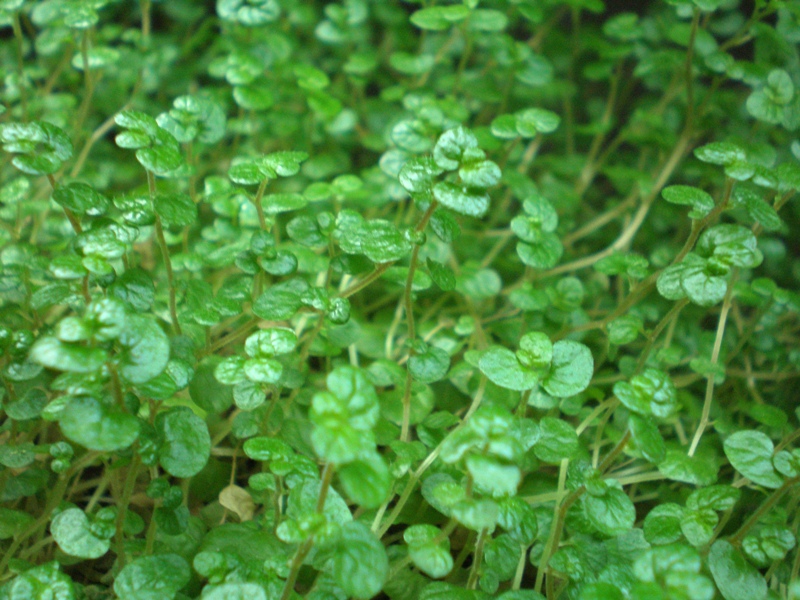
Baby Tears
Cat Safesoleirolia soleirolii
A tiny-leaved creeping plant that forms dense mats of green. Non-toxic to cats and great for terrariums. Loves humidity and consistent moisture.
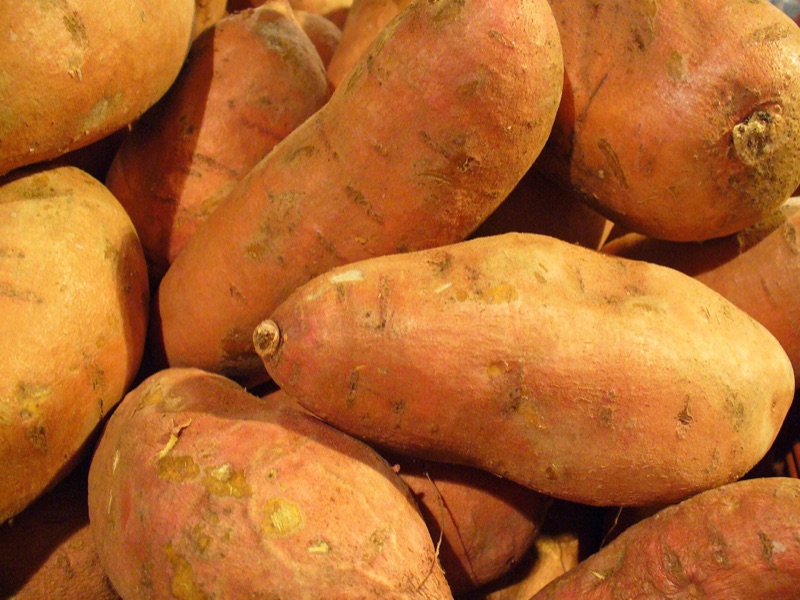
Sweet Potato Vine
Cat Safeipomoea batatas
Ornamental sweet potato vine has heart-shaped leaves in chartreuse, purple, or tricolor. The vine is safe for cats. Note: the actual tubers can cause mild stomach upset.